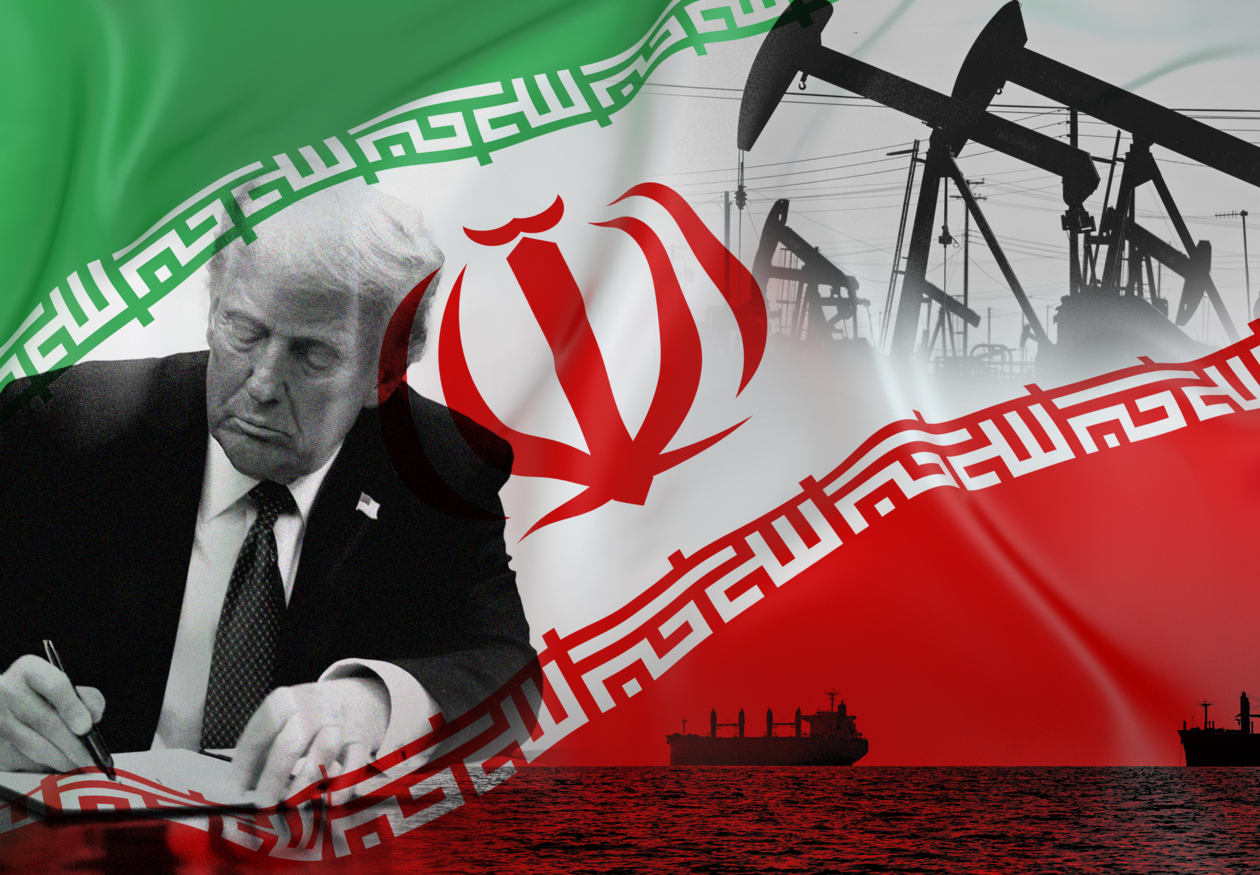
Global oil prices have surged to $80 per barrel after U.S. President Donald Trump declared that the interim ceasefire agreement with Iran had effectively collapsed.
Data from Oilprice.com showed that Brent crude, which traded around $72 per barrel, rose to $74 on Tuesday before climbing sharply to $80 on Wednesday. Brent crude for September delivery gained 7.6 percent, while West Texas Intermediate (WTI) crude for August delivery increased to $75.40 per barrel.
Trump dismissed the ceasefire memorandum of understanding with Iran as a “waste of time” after Iranian forces attacked commercial vessels passing through the Strait of Hormuz.
On Tuesday, Iran reportedly targeted three commercial ships in the strategic waterway. An LNG tanker sustained an engine room fire after being hit on its port side, while a Saudi-flagged supertanker suffered minor damage off the coast of Oman.
The attacks prompted a swift military response from the United States. According to U.S. Central Command (CENTCOM), American forces carried out extensive airstrikes on more than 80 military targets across Iran, using precision-guided 5,000-pound bunker-buster munitions against sites on Qeshm Island, Sirik, and the port city of Bandar Abbas.
In addition, the Trump administration revoked a temporary sanctions waiver that had allowed Iran to continue exporting oil and petrochemical products, further tightening economic pressure on Tehran.
Meanwhile, Iran’s Khatam al-Anbiya Central Headquarters announced the closure of the Strait of Hormuz, warning that any commercial vessel attempting to pass through the waterway would face direct military action.
The latest escalation effectively ends the fragile ceasefire reached in June and has heightened concerns over global energy supplies. Shipping costs in the Gulf have already increased as insurers and shipowners raise risk premiums, while Asian refiners are seeking alternative crude supplies from West Africa, the United States, and Latin America.
The development has also raised concerns in Nigeria, where consumers had been expecting lower fuel prices following the recent decline in global oil prices from about $120 to $71 per barrel. Analysts now warn that continued conflict in the Middle East could reverse those gains and trigger another increase in domestic fuel prices.
