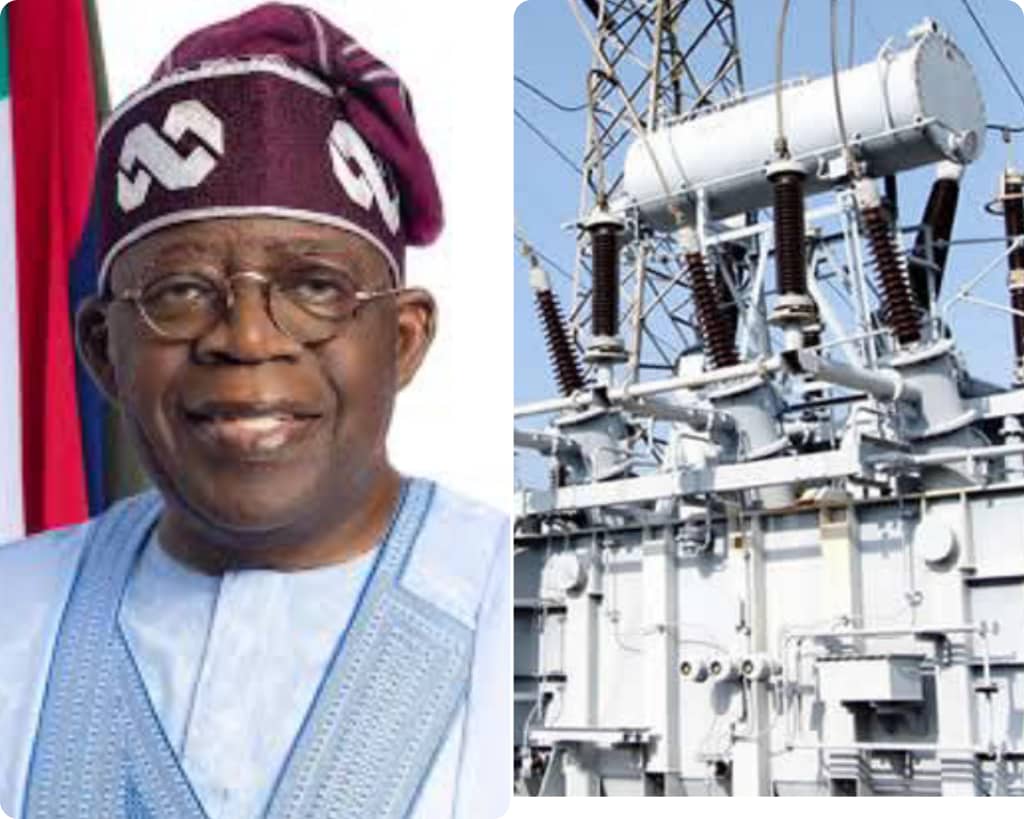
On Friday, President Bola Tinubu urged electricity generation companies to allow the Federal Government additional time for “verification and validation of the numbers” regarding longstanding liabilities in the power market.
He also provided preliminary approval for a N4 trillion bond program to address the sector’s liquidity issues. This discussion occurred during a meeting with the Association of Power Generation Companies, chaired by Col. Sani Bello (retd.), at the Aso Rock Presidential Villa in Abuja.
Bayo Onanuga, the Special Adviser to the President on Information and Strategy, shared the details of the meeting in a statement entitled, “President Tinubu meets Chairmen of GENCOs, pledges to resolve longstanding debt claims.” Since Nigeria privatized its generation and distribution assets in 2013, issues such as insufficient tariffs, unpaid subsidies, gas supply problems, weak transmission infrastructure, and rampant energy theft have left the market financially struggling.
The Nigerian Bulk Electricity Trading Company often pays generation companies a fraction of what they are owed monthly, leading to mounting arrears that are financed through high-interest short-term bank loans. The recent signing of the Electricity Act 2023 by President Tinubu aims for cost-reflective tariffs, improved metering programs, transmission upgrades, and increased collections. However, existing debts and gas supply shortages continue to pose threats to generation capacity and new investments.
With banks becoming more cautious, GENCOs warned of potential foreclosures throughout the value chain if the government does not quickly implement a settlement plan. During the meeting, President Tinubu acknowledged the historical debts but emphasized that any payments would depend on a transparent audit process. He stated, “I accept the assets and liabilities of my predecessors… But that acceptance must be on credible grounds.”
He urged GENCOs and lenders for patience while government representatives work with auditors and lawyers to clarify claims, asking for time to verify the numbers. Expressing his commitment to a market-driven energy sector, Tinubu highlighted that the ongoing issues have long been neglected but are now finally being addressed. He also requested banks to avoid foreclosures on indebted GENCOs, stating, “This is a longstanding issue that is now being dealt with.”
Considering electricity as a vital factor for growth and human dignity, Tinubu reaffirmed the government’s intention to tackle the decade-long financial challenges in the sector.
Olu Verheijen, the Special Adviser to the President on Energy, indicated that as of April 2025, the Federal Government has a verified debt exposure of N4 trillion to GENCOs, a figure accumulated since 2015.
Verheijen noted that the Nigerian Bulk Electricity Trading Company has verified N1.8 trillion of these claims, and the total exposure may be subject to downward adjustment following final validation. While a bond program has been preliminarily approved, it is contingent on negotiations and final settlement agreements.
Minister of Power Adebayo Adelabu praised President Tinubu for his attention to the power sector, crediting his reforms with restoring investors’ confidence and improving the electricity value chain. He highlighted the administration’s progress, including a new Electricity Act, raising over $2 billion in private capital, and increased sector revenue, while noting that an urgent liquidity crisis remains that could impede ongoing reforms. Adelabu requested the President’s immediate assistance in addressing these debts to prevent a potential nationwide shutdown of generation assets.
