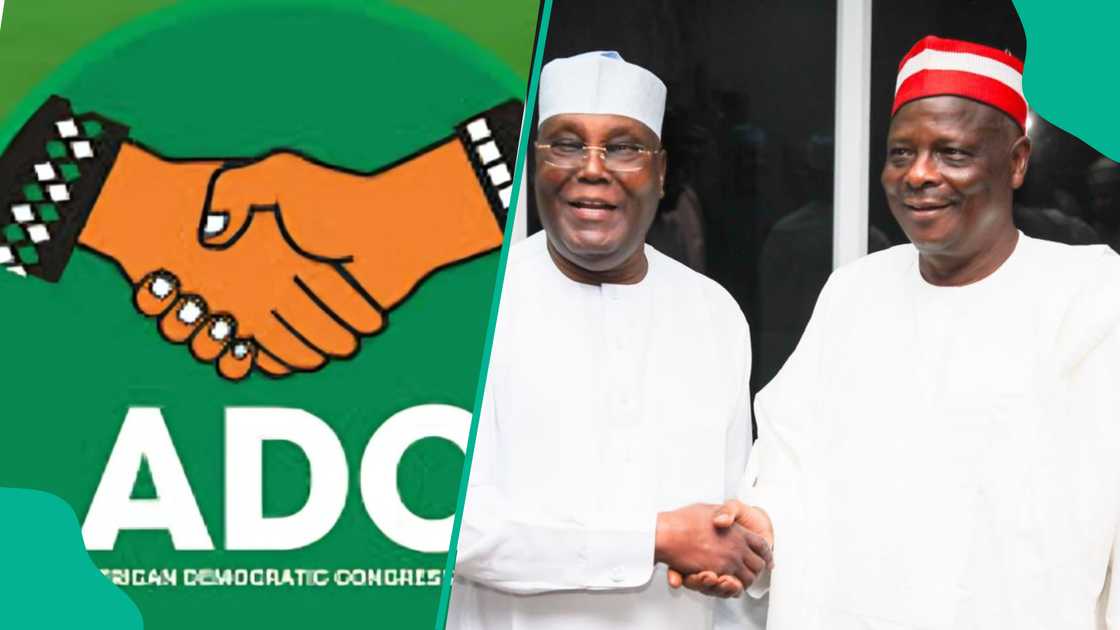
Fresh political realignments are emerging ahead of the 2027 general elections, as allies of Rabiu Kwankwaso and Peter Obi confirm ongoing talks that could result in a joint presidential ticket.
Kwankwaso is expected to formally join the African Democratic Congress (ADC), where he will be received by party leaders, including David Mark and Rauf Aregbesola. He may be joined by former Kano deputy governor Aminu Gwarzo.
His planned defection follows a series of consultations with key political figures such as Atiku Abubakar. Recently, Obi also visited Kwankwaso in Kano during the Sallah festivities, alongside Seyi Makinde and Seriake Dickson, further fueling speculation about a possible alliance.
Kwankwaso has officially resigned from the New Nigeria People’s Party (NNPP), stating that the decision, though difficult, was necessary due to the current political climate. He emphasized the need to align with a platform capable of delivering meaningful national change and expressed gratitude to the party leadership and supporters, including members of the Kwankwasiyya Movement.
Reacting to the development, NNPP spokesman Ladipo Johnson acknowledged that a political shift is inevitable if both leaders collaborate. He noted that the party would decide its position collectively and could consider forming a strategic alliance with any new platform Kwankwaso adopts.
On the Obi side, Yunusa Tanko revealed that the idea of an Obi-Kwankwaso ticket is gaining popularity among Nigerians. He added that both leaders appear more open to working together following the 2023 elections and dismissed suggestions of forming a new political party, describing such a move as impractical at this stage.
Tanko further hinted at a broader opposition coalition, suggesting that multiple parties may unite to challenge the ruling party in 2027, depending on shared goals and strategy.
Meanwhile, both camps have rejected allegations that crowds seen during Obi’s recent Kano visit were staged. Supporters insist the turnout reflected genuine enthusiasm and cultural participation during Sallah, rather than paid mobilisation, stressing that both leaders enjoy organic grassroots support.
Overall, the evolving discussions and movements signal a potential reshaping of Nigeria’s opposition landscape as 2027 approaches.
