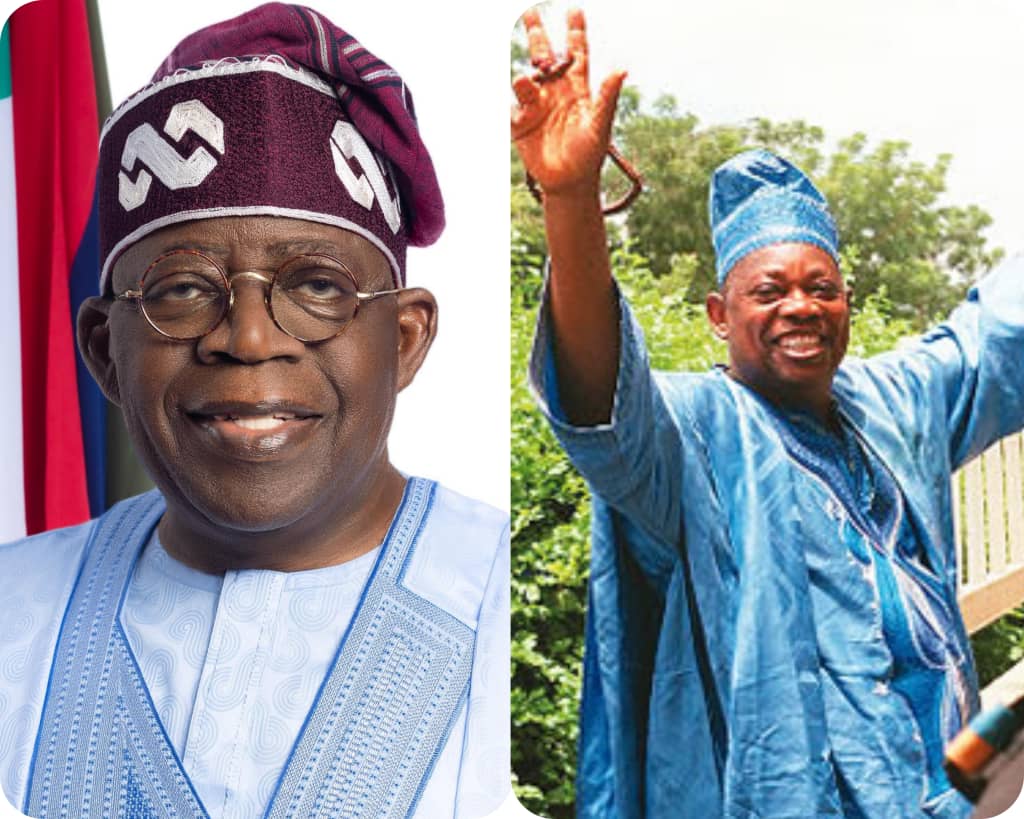
On June 12, 1993, Nigeria witnessed what has been widely hailed as the fairest and most credible election in its history. The presidential contest between Chief Moshood Kashimawo Olawale (MKO) Abiola of the Social Democratic Party (SDP) and Alhaji Bashir Tofa of the National Republican Convention (NRC) symbolized a critical turning point — a promise of democracy after years of military dictatorship. But that promise was shattered just eleven days later, when the military regime under General Ibrahim Babangida annulled the results, plunging the country into turmoil.
MKO Abiola, a southern Muslim with a pan-Nigerian appeal, was widely projected to have won by a significant margin. However, citing court injunctions and alleged electoral irregularities, the military government canceled the results, refusing to declare a winner. The move stunned the nation and sparked massive protests, particularly in the Southwest.
Tinubu: From Senator-Elect to Symbol of Resistance
One of the most prominent figures to rise in defense of democracy during this critical period was Bola Ahmed Tinubu, a then-senator-elect representing Lagos West under the SDP. His strong support for Abiola and open condemnation of the annulment quickly positioned him at the forefront of the democratic resistance.
Rather than retreat in fear as many politicians did, Tinubu aligned himself with the National Democratic Coalition (NADECO) — a pro-democracy group formed to demand the reversal of the annulment and the restoration of the June 12 mandate. The coalition became the nucleus of domestic and international resistance to military rule, operating both within Nigeria and in exile.
As Abacha’s military regime cracked down on dissent, Tinubu was forced into exile, first in the United States and later in the United Kingdom. From abroad, he worked relentlessly to draw global attention to the human rights abuses occurring in Nigeria, the illegitimacy of the junta, and the importance of returning the country to democratic governance.
A Tireless Campaign for Justice
Tinubu’s contributions went beyond rhetoric. He used his connections and influence abroad to lobby foreign governments, international organizations, and the media to apply pressure on the Nigerian military. His efforts helped keep the June 12 issue alive on the international stage, even when it became dangerous to do so back home.
During this period, Tinubu also provided support to fellow exiled activists and helped finance pro-democracy efforts. His personal sacrifices — including threats to his life, confiscation of his properties, and separation from family — underscored his commitment to the cause.
Return to Civil Rule and the Legacy of June 12
The intense pressure from pro-democracy activists, including Tinubu, ultimately played a role in the transition to civilian rule following General Sani Abacha’s death in 1998. Though MKO Abiola died in detention under mysterious circumstances that same year, his legacy — and the cause he championed — lived on through the tireless advocacy of figures like Tinubu.
In the 1999 elections that followed, Tinubu returned to Nigeria and was elected Governor of Lagos State, beginning a political journey that would eventually lead to his emergence as a national political leader and, years later, as President of the Federal Republic of Nigeria.
Recognition of a Defining Moment
In 2018, the Federal Government officially recognized June 12 as Nigeria’s Democracy Day, replacing May 29. MKO Abiola was posthumously awarded the nation’s highest honor, while Tinubu’s contributions to the democratic struggle were widely acknowledged.
Today, June 12 is no longer just a date in history. It is a symbol of Nigeria’s fight for democracy — a fight in which Bola Ahmed Tinubu played a defining and heroic role. His transformation from senator-elect to exile, and eventually to one of Nigeria’s most influential political figures, is rooted in his unyielding stance during one of the country’s darkest democratic moments.
The annulment of the June 12, 1993 election remains a stain on Nigeria’s political history, but it also gave birth to heroes whose courage helped redirect the nation’s destiny. Bola Ahmed Tinubu’s role in that struggle remains a pivotal chapter in Nigeria’s journey from military rule to democracy.
